
Content
World IP Day on 26 April 2026

Sport and intellectual property rights: a springboard for innovation
State-of-the-art equipment, measuring devices, training methods, broadcasting technology and much more: intellectual property plays a crucial role in sport. IP is essential for protecting and promoting the inventions, designs and brands that shape the world of sport, inspire athletes and thrill fans.
That is why sport will be the focus of  World IP Day 2026, organised annually by WIPO. “IP rights have enabled sport to develop into the global $350 billion industry we know today,” said WIPO Director General Daren Tang. Watch his World IP Day video message at the WIPO website.
The sports industry is now a major economic force. In particular, hosting major sporting events such as the Olympic Games or World Championships can have a significant economic impact on the host countries. In Munich, for example, people still celebrate the infrastructure improvements, beautiful venues and pioneering imagery that the 1972 Olympics brought with them.
This clearly demonstrates that sport can be a key driver of sustainable development. But sport also makes a significant contribution in the areas of health, education and social inclusion. It promotes tolerance, respect and gender equality. Sport is a universal passion that brings people from all over the world together.
(Para-) Sports is IP in action
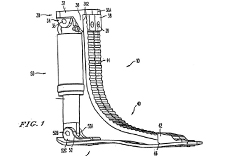
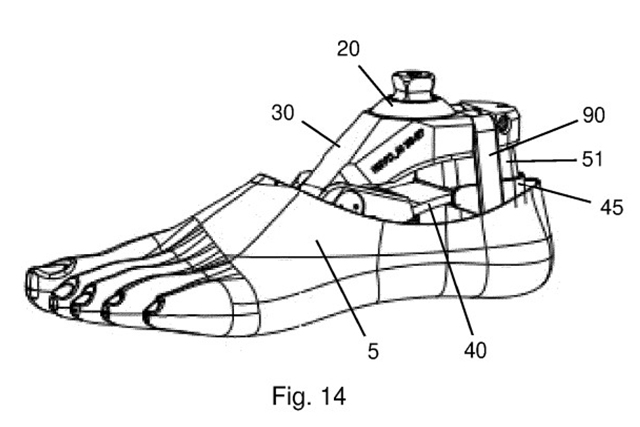
DE060021569T2
Intellectual property rights have always played a vital role in the development of sport. In every sport, creative minds work behind the scenes to push the boundaries of sporting performance, enhance the spectator experience or broadcast events into every home.
Intellectual property rights have always played a vital role in the development of sport. In every sport, creative minds work behind the scenes to push the boundaries of athletic performance, enhance the spectator experience, or bring events into every home.
Sport is, in effect, ‘IP in action’: patents drive technological advances that lead to better sports equipment. Trade marks and designs contribute to the distinctive identity of events, teams and equipment. Exploitation and broadcasting rights generate huge revenues. IP rights form the basis for licensing and merchandising agreements that drive the development of the sports industry.
Stronger and more high-performance sports equipment made from high-tech materials enables athletes around the world to reach new heights of performance whilst minimising the risk of injury.
Technical innovation plays a particularly important role in para-sport. For people whose bodies are affected by accidents, illnesses or congenital conditions, technical inventions such as prostheses, wheelchairs and signal devices help them to compete at the highest level in competitive sport.
Just a few decades ago, Paralympians competed wearing their everyday prostheses. It is only since the 1980s that specialised sports prostheses have been available, and their development has been steadily advancing ever since.
Technical innovations are particularly beneficial in para-sport
The International Paralympic Committee (IPC) has established clear rules for assistive devices that take into account the individual disabilities of the athletes. For example, the permissible length of prostheses is determined using a complex formula that takes into account factors such as the wearer’s height and the length of their thigh.
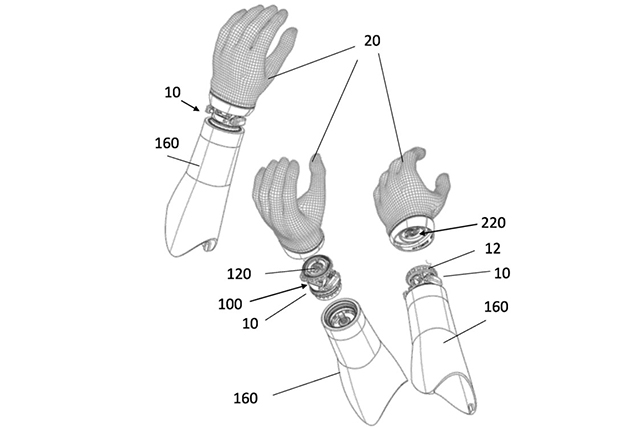
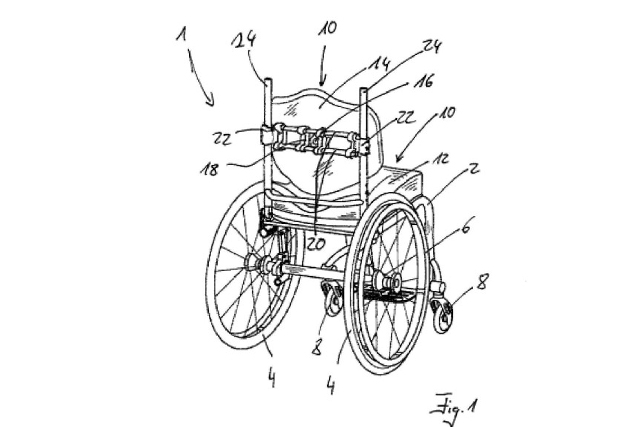
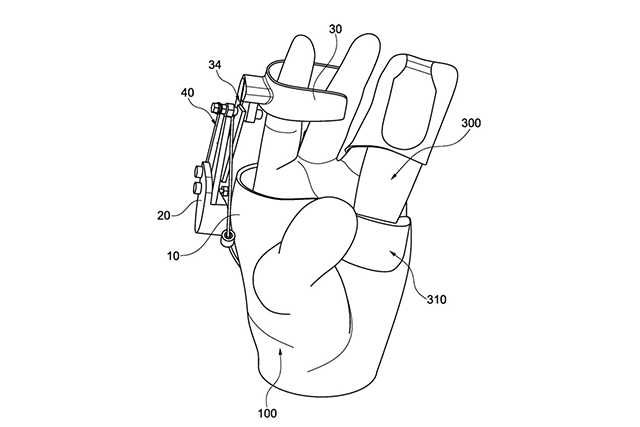
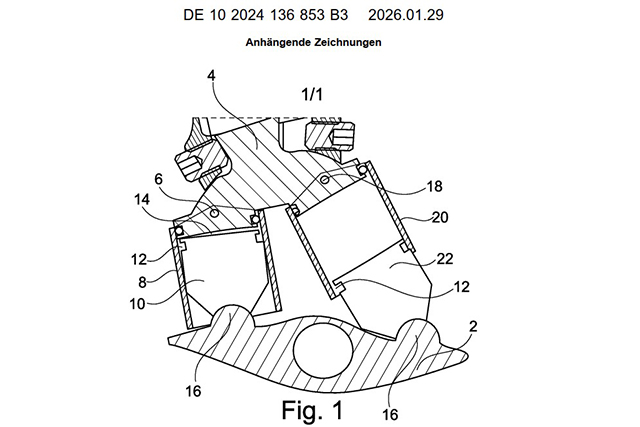
On its website, WIPO is showcasing an example of a highly specialised prosthesis manufacturer to mark World Intellectual Property Day: the German company Ottobock. It began over 100 years ago as a manufacturer of wooden prostheses for those injured in the First World War. Today, it primarily manufactures high-tech sports prostheses, wheelchairs, exoskeletons, training equipment and orthoses, and supports Paralympic athletes with the best possible assistive devices, such as AI-assisted prostheses like the ‘bebionic’ hand. Ottobock has filed around 1900 patents over the years.
Here are some recent examples:
Dentures and more
Some Ottobock patents
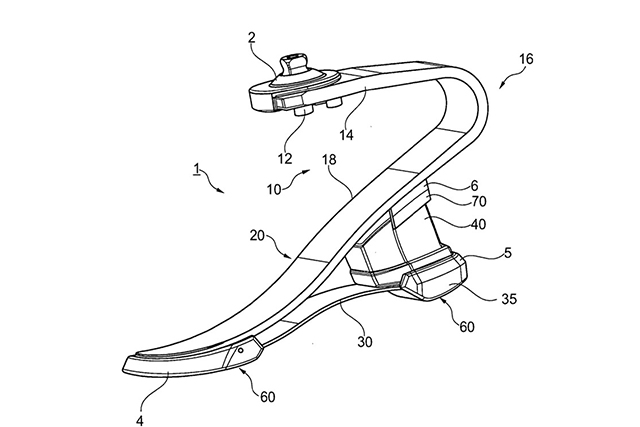
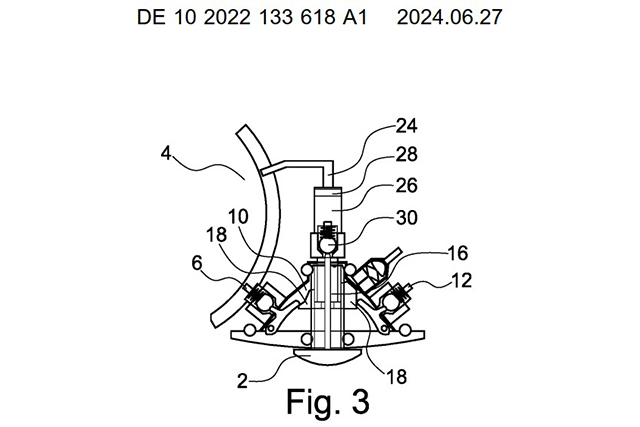
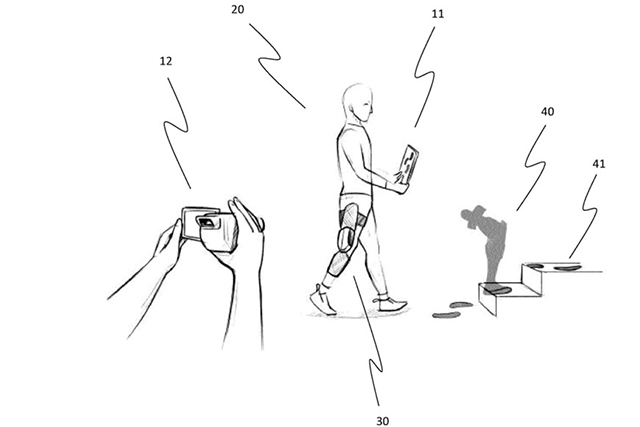
Bilder: WIPO, DEPATISnet
Last updated: 23 June 2026
Not only protecting innovations
Social Media