Content
Product piracy
A bargain – but with many negative consequences
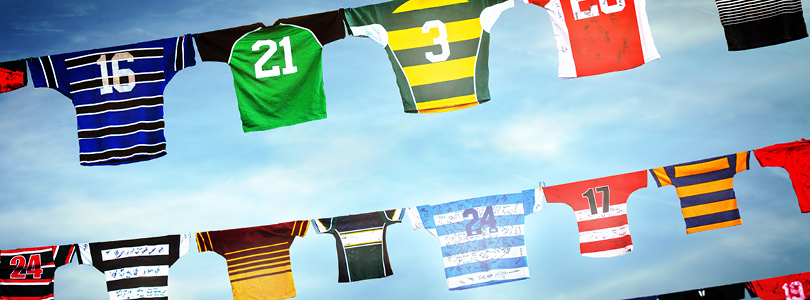
Fancy picking up your favourite team's kit at a bargain price whilst on holiday? Ordering a pair of trainers online for a fifth of the original price? With prices that low, you might be willing to accept a drop in quality. Or would you?
‘Fakes’, the colloquial term for counterfeit (branded) goods, are very popular: in a survey by the EUIPO, a third of respondents said they were happy to buy counterfeit goods if the original product was too expensive. Among young people, the figure was as high as half!
But: product piracy causes damage.
- The club whose counterfeit shirt you bought earns money from the sale of original shirts. In return, it invests money in product design, as well as in marketing. It is only through the sale of original merchandise that the club generates revenue, which helps fund the signing of new players and the development of young talent. Incidentally, the same applies if you stream your favourite club’s matches illegally. In such cases, no money is paid to the clubs.
- Counterfeit clothing can pose health risks, for example due to toxic dyes, corrosive waterproofing agents or poor-quality cushioning in sports shoes.
- You have no warranty or guarantee claims against the original manufacturer; claims against the manufacturers of the fakes or their sellers are often unenforceable.
- Counterfeit goods are linked to criminal activity. For example, they can serve as a source of funding for criminal networks.
 Read more
Picture 1: gettyimages/Edwin Leung, additional images: iStock.com/makyzz and DPMA
Last updated: 20 August 2026
Not only protecting innovations
Social Media