
Interview: DPMA President Eva Schewior “German IP rights are highly attractive”
Sovereignty, competitiveness, prosperity: DPMA President Eva Schewior talks about the importance of IP rights for the German economy, the advantages of the national IP system for start-ups and middle-sized enterprises — and about how the DPMA wants to become even more accessible to users in the future.
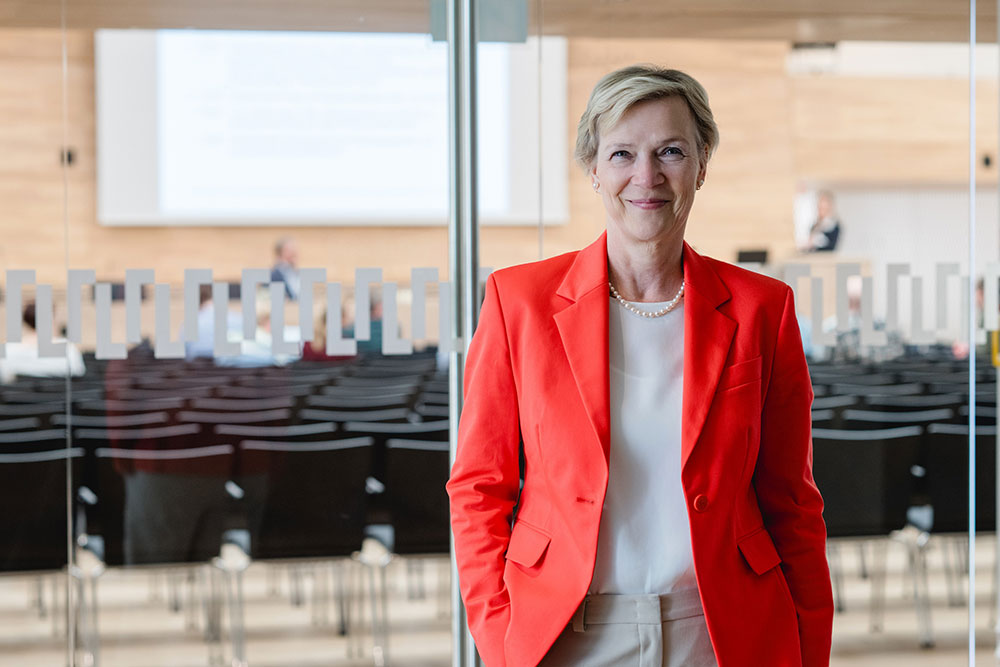
In 2025, application numbers for German IP rights saw a significant increase. In your view, what does this mean for Germany as a centre of innovation?
In my opinion, it is a positive sign in difficult economic times. The increasing numbers show that enterprises continue to rely on the protection of their intellectual property and that they use it as an essential instrument to ensure and strengthen their future competitiveness. The consistent protection of intellectual property is an important strategic tool for our country’s future on several levels: it strengthens our technological sovereignty, promotes technological solutions for major social challenges and boosts growth and prosperity for all of us. The increasing application numbers also show that Germany as the biggest economy in Europe and third-biggest in the world continues to play a central role in the strategies of national and international companies.
The number of trade mark applications in particular has risen sharply. Why?
There has indeed been an enormous rise. With more than 96,000 trade mark applications in 2025, we reached the level of our all-time high. Only at the turn of the millennium did we have slightly more applications. Back then, the increase was mainly due to the founding of many new internet enterprises. The current growth can partly be traced back to the fact that big online retail platforms require providers to have a trade mark. A second important cause is the soaring demand from China and the USA: applications from China have increased by almost 200%, those from the USA by around 100%. This indicates a significant growth in economic activity of both countries on the German market.
For patents, the applications from German companies in particular have increased significantly.
That’s true — and of course we are very happy about it. Patent applications notably decreased during the COVID-19 pandemic. But I´m deliberately saying “during” and not “because of”. Because the consequences of the pandemic were just one of multiple reasons. According to our observations, another reason was the structural change in innovative activity. In many technological fields, where Germany has traditionally been highly innovative — for example combustion engines or classical engineering — the application numbers have been stagnating or even decreasing over the past years. In contrast, fields in which other countries are very active have seen a boom here, such as digital technologies or battery technology. The electrical engineering sector accounts for an ever-increasing share of the applications. Our numbers now show that German companies, too, are becoming more active in the growing technology fields. In the field of “Computer technology”, to which a big part of inventions in regard to artificial intelligence are attributed, Germany has even gained ground recently — at least when it comes to the number of patent applications. That is definitely one reason why the application numbers from Germany are rising again. Under no circumstances must we let up promoting future technologies. Which the federal government also emphasises with its High-Tech Agenda.
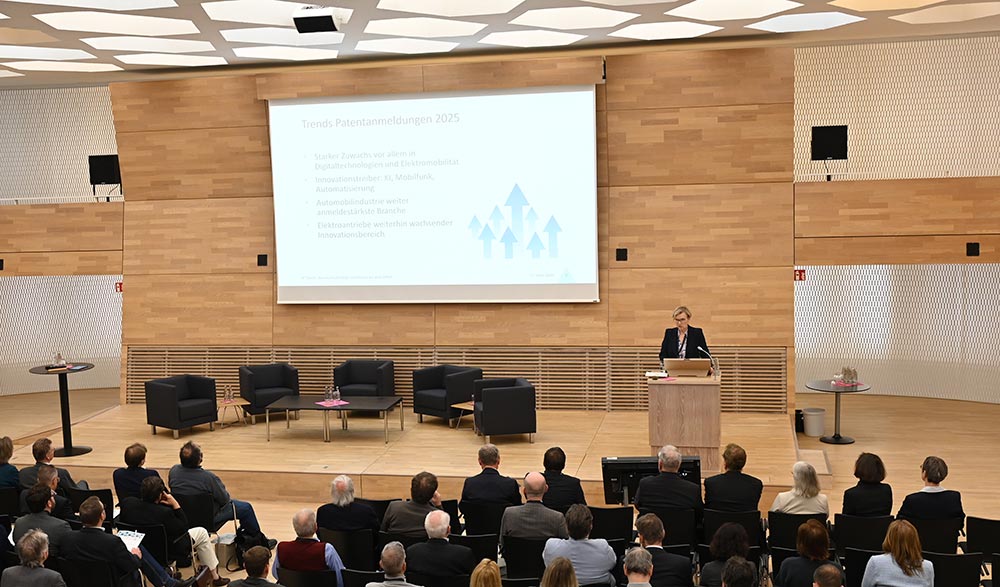
Two years ago, the patent system underwent the most important reform of the last decades with the introduction of the European unitary patent. What is your conclusion so far?
I´m happy the European Unitary Patent and the Unified European Court have had such a good start. The new regulations offer great benefits to many patent applicants. In my view, it’s good that the new court incorporated important elements of the successful German system — especially the focus on a high degree of technical expertise. This fosters trust in the Unitary Patent and helps promote its acceptance. Another positive development for us is that the German patent system has not lost any of its attractiveness because of the Unitary Patent. That applies to the industry, as our numbers show. And it applies especially to innovative start-ups and middle-sized enterprises, in particular because there are fewer obstacles to enforcement compared to the German system. Time has proven: the European and the national system complement each other and offer companies many attractive options for a successful IP strategy.
How does the DPMA want to secure the attractiveness and effectiveness of the Office in the field of patents?
We have a clear mission: we want to provide IP rights of the highest quality — and we want to do this as efficiently as possible. To achieve this aim, we analysed user interests and want to adapt our services correspondingly. We are already working on specific measures.
How does the office stay attractive when it comes to IT?
We want to continue to play a leading role among the German authorities. Of course, we see the various challenges regarding the federal budget, but we have clear ideas. When it comes to using AI, for example, we have already set up the organisational structures — as we are already using several individual AI-based applications at the DPMA. And we have many ideas about where else AI can help us to better manage certain challenges. Our “Innovation Lab” team will systematically test possible AI applications. And an interdisciplinary task force that was set up specifically for this purpose will not only examine the technical, but also the legal requirements, so we can not only work efficiently, but also in compliance with the law.
Another important project is our web-based user portal. This portal will make the electronic access to the DPMA and the management of one’s IP rights much easier and also provide many new features. We have already launched this project, and I´m very happy that we will be able offer our clients even better digital services in the future.
Another important change was the introduction of section 26a of the Patent Act four years ago, which concerns the Office’s duty to raise awareness about IP rights especially among small and medium-sized enterprises. How important is this task to you?
This task is of immense importance, and we are deeply committed to it. Around 100 million people in Europe are employed by small and medium-sized enterprises, so they can truly be called the backbone of our national economies. In addition, many SMEs are highly innovative, technology-driven start-ups, which are incredibly important for our innovation ecosystem. These start-ups urgently depend on valid IP rights. And we take this responsibility very seriously. This is also why we conducted a study about how start-ups manage IP rights.
And what was the result?
The study was supported by the World Intellectual Property Organization and conducted by the OTH Regensburg, which boasts a very high level of IP competence. The OTH Regensburg evaluated data from almost 13,000 start-ups from research-intensive industries and held 30 in-depth interviews. For me, two key insights are especially important: technology-driven start-ups benefit greatly from IP rights and also recognise the advantages they offer. At the same time, there is still a high need for information and many strategic points where we can improve these enterprises’ access to the IP system. We are currently evaluating the results — and we will then draw our conclusions and develop suitable measures.
Another measure is about to launched: You want to tour German regions with a new event format.
Yes, in the course of the year we will start a road show to raise interest in IP rights among SMEs, start-ups and founders. For this and next year, we have 16 events in total planned for every region in Germany. We go where the SMEs are. For these events, we work together with the patent information centres of the German Länder, regional chambers of commerce and industry as well as with the association for IP experts, VPP. We want to spread knowledge on IP rights. But we will also have companies that are already using IP rights illustrating their case. This way, companies have the opportunities to network and, ideally, learn from each other.
For the DPMA to be able to pursue its strategic goals, it needs skilled staff. How attractive is the DPMA as an employer?
Our tasks are crucial for economy and industry. By protecting intellectual property, by protecting innovation, we contribute directly to facing social challenges, to promoting prosperity and getting our country ready for the future. To play a part in all of this simply feels good. And our highly skilled experts in the patent examination department in particular work at the edge of innovation. What could be more appealing to people with an interest in technology? But we also offer many tangible benefits: our colleagues enjoy a high degree of flexibility in carrying out their tasks. We offer the option of working from home and part-time work, so that they can tailor their working arrangement in terms of location and hours — and thus strike the best possible balance between career and personal circumstances. As an employer in the public sector, we provide fair compensation and of course a high degree of security, which understandably is of particular importance to many people in difficult economic times. In short: there have probably been never so many good reasons to apply to the DPMA. Give it a try!
Career at the DPMA
Are you looking for a new career venture? Are you interested in a varied job with a wide range of development opportunities at the cutting edge of technology? At the same time, you would like to be able to balance work and personal life?
As a federal authority, we have a lot to offer to you — both as a central provider of IP services and as a family-friendly employer with flexible working hours.
You can find our current job openings, apprenticeship positions, employee profiles, and further information about your career opportunities at the DPMA on our newly redesigned website, “Your Career at the DPMA.”

Insight: DPMAimpuls, Our event format with the business community Encouraging dialogue, fostering innovation
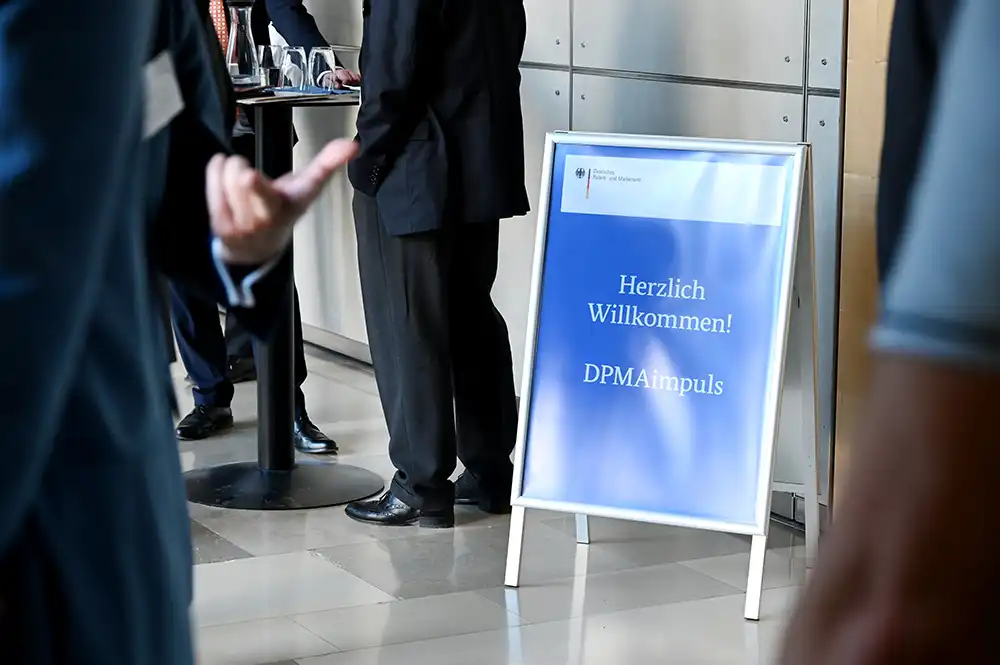
How can intellectual property rights be utilised even more effectively as a strategic tool to strengthen Germany as a business location? And what specifically do companies need to make ideal use of the IP system? As global competition is increasingly driven by technological innovations, these questions become more and more important. With “DPMAimpuls”, we have established a forum bringing together key stakeholders to strategically develop the role of IP.
With the format “DPMAimpuls”, the German Patent and Trade Mark Office provides a structured space for the open exchange between administration, industry, science and other stakeholders of the innovation system. In November 2025, true to the motto “IP competence in Germany’s innovation network”, the participants of the third edition of “DPMAimpuls” collected practical approaches that enable innovations to be translated more quickly into economic growth. It was discussed that more real-world laboratories for future technologies and more venture capital were needed, but also a more intensive transfer from science to industry. The topic of decarbonisation as an opportunity for enterprises across all regions was also addressed, as was the Germany-wide network of innovation consultants of the German Chamber of Commerce and Industry. Moreover, IP was identified as the linchpin of collaborations between industrial and academic partners. Property rights and rights to use, development and marketing licences, and the right to publish information about an innovation: a wide range of topics was debated at “DPMAimpuls”.
The format of the dialogue focuses on bringing together different perspectives. Representatives from enterprises, associations, research institutions and the legal profession share their experiences and discuss current challenges – from innovative dynamics to technology transfer to competitiveness and regulation issues. Who is responsible for which tasks in basic research, applied research and the transfer of results to industry? This was the subject of an involved debate at the most recent “DPMAimpuls” event.
A key feature of “DPMAimpuls” is the combination of expert insights and in-depth exchange. Presentations provide targeted food for thought while leaving sufficient room for plenary discussions and detailed discussions on specific technical aspects in smaller groups. To name an example: a workshop on computer-implemented inventions (that is inventions based on software) provided patent examiners with the opportunity to exchange experiences with businesses. Discussions particularly focused on the criterion of technical character for patentability. The most recent “DPMAimpuls” event was followed by a workshop that specifically addressed the needs of the pharmaceutical and biotechnology industries.
The format provides the German Patent and Trade Mark Office with the opportunity to directly talk with users and gain an even better understanding of their expectations. Feedback from real-world experience is incorporated into the further development of information services and procedural workflows.
In this way, “DPMAimpuls” supports our office’s customer-focused approach. At the same time, the initiative helps to strengthen IP expertise in Germany. “DPMAimpuls” thus exemplifies a modern, dialogue-oriented administration: open to feedback, connected with key stakeholders and geared towards the requirements of a changing innovation system.
The DPMA User Advisory Council on Patents and Utility Models New members, new perspectives
The DPMA User Advisory Council (DPMAnutzerbeirat) strengthens the direct exchange between the DPMA and its main user groups. Currently in its third term of appointment, the committee unites expertise from industry, mid-sized enterprises, science and innovation promotion. It provides clear impetus and advice on the strategic advancement of IP and fosters a consistent user orientation.
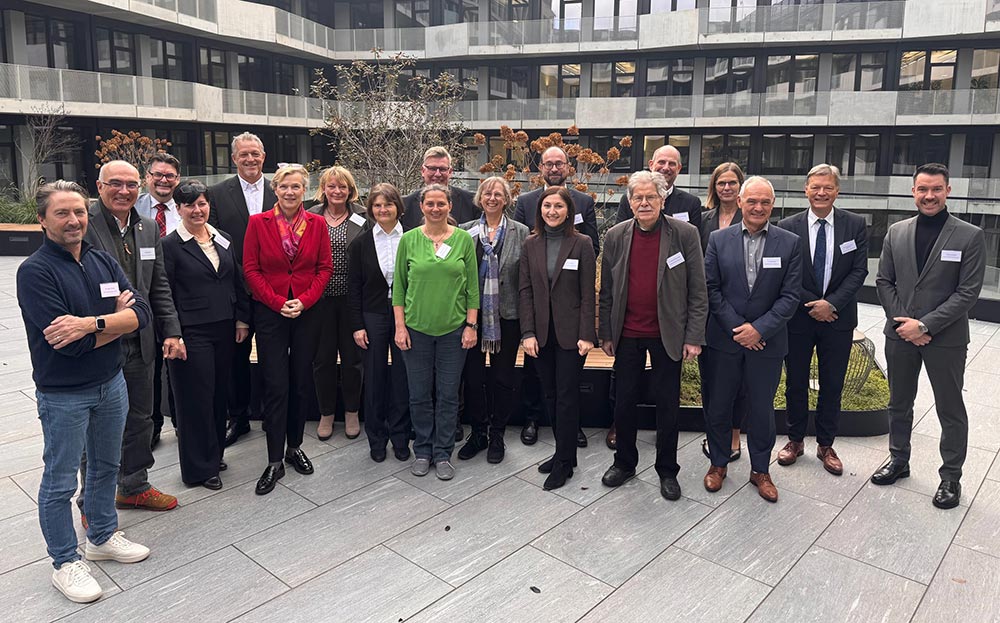
The DPMA User Advisory Council on Patents and Utility Models has long been a vital centrepiece of the successful dialogue with our users.
In the spring of 2025, the third term of appointment of this expert advisory committee, which has been in place since 2019, started upon its constituent meeting. It consists of 15 members who represent the most important user groups of the DPMA. These include IP experts from big industry, representatives of SMEs and universities as well as patent attorneys, complemented by other relevant institutions and stakeholders of the IP system. From this term on, the committee also includes newly appointed members from the Federal Agency for Breakthrough Innovation (SPRIND) and the German Startup Association. The new appointments emphasise the immense importance of technology start-ups for a forward-looking innovation ecosystem and add expertise from the field of promotion of innovation.
DPMA User Advisory Council as a source of impetus
The work of the committee is based on dialogue and is focused on solutions: at the meetings, the members analyse current IP trends and identify fields of action. In the period between the meetings, impetus from the advisory council members feeds into the work of the DPMA’s specialist areas. This makes the DPMA User Advisory Council a permanent, rather than occasional, giver of feedback on what our customers need. The interdisciplinary exchange on the DPMA User Advisory Council facilitates a shift in perspective and helps us identify and understand our users’ needs at an early stage.
In its capacity as a strategic advisory committee, the DPMA User Advisory Council advises on crucial projects of the DPMA and contributes practical considerations to existing and future measures and strategic goals. The committee has already made a lot of valuable suggestions, especially when it comes to patent quality, increasing patent awareness and advancing procedures for the benefit of our users.
In the year under review, the DPMA User Advisory Council focused on how to further raise IP awareness. The committee discussed activities that could be initiated in addition to the measures already under way, focusing in particular on communicating the benefits of IP rights to small and medium-sized enterprises (SMEs).
The wishes of applicants for a modernisation of the requirements as to the form of patent and utility model applications were another key topic in 2025.
The value added by the DPMA User Advisory Council is evident in many ways. The dialogue with our main stakeholders gives us reliable feedback that contributes to informed decisions. At the same time, the committee promotes the mutual understanding, accelerates improvement processes and helps us proactively enhance our role in the dynamic innovation environment.
Thank you to all members for the lively exchange and the trusting collaboration.
Additional information on the DPMA User Advisory Council and a list of the current members are available on our website.
At a glance Personnel and finances
The DPMA had a total of 2,803 staff at the end of 2025 (-1.2% compared to 2024).
In 2025 we hired 74 new staff.

In 2025, 38.53% of management positions were held by women.

The proportion of part-time employees in management positions was 14.45%.

49 Nations

242 people with disabilities

IT specialist

Media and information services clerk

Management assistant in office communications

Carpenter

Administrative employee
A total of 37 trainees were trained in five occupations in Munich. As of December 31, 2025, two trainees in the “IT specialist” (Fachinformatiker/in) field were in training in Jena.
Further training
On average, employees used 2.57 training days for professional development in 2025.
Income and expenditure