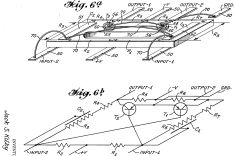
65 years ago, on February 6, 1959, Jack Kilby applied for a patent for "Minituarised electronic circuits" (US3138743A) - the first integrated circuit. It made him "father of microelectronics".
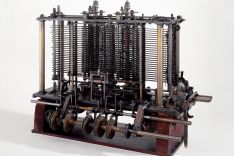
On 18 October 1871, an all-round genius died who is now considered the "father of the computer": Charles Babbage. His "Analytical Engine" anticipated many features of modern computers. But hardly anyone recognised the true potential of this invention at the time - except Ada Lovelace.
In 1941, Konrad Zuse presented an apparatus in the Living room of his Berlin flat that is now considered as the world's first functioning, freely programmable computer based on the binary number system and binary circuit technology.
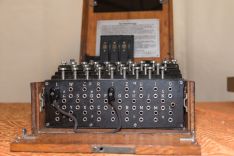
Enigma: This is the exciting story of an ingenious machine for encrypting messages and the brilliant minds who cracked it - and thus crucially influenced the course of the Second World War.
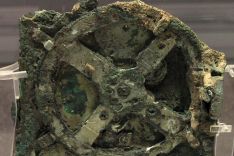
Spring 1900 in the Aegean Sea: Off the coast of the small Greek island Antikythera men dive for sponges. They reach into depths of 50 meters and more. One of them, Ilias Stadiatis, returns from his dive with the bronze arm of an ancient statue. He has found an ancient shipwreck on the seabed.